



7 Morning Reflection Prompts for When You Feel Stuck
7 Morning Reflection Prompts for When You Feel Stuck
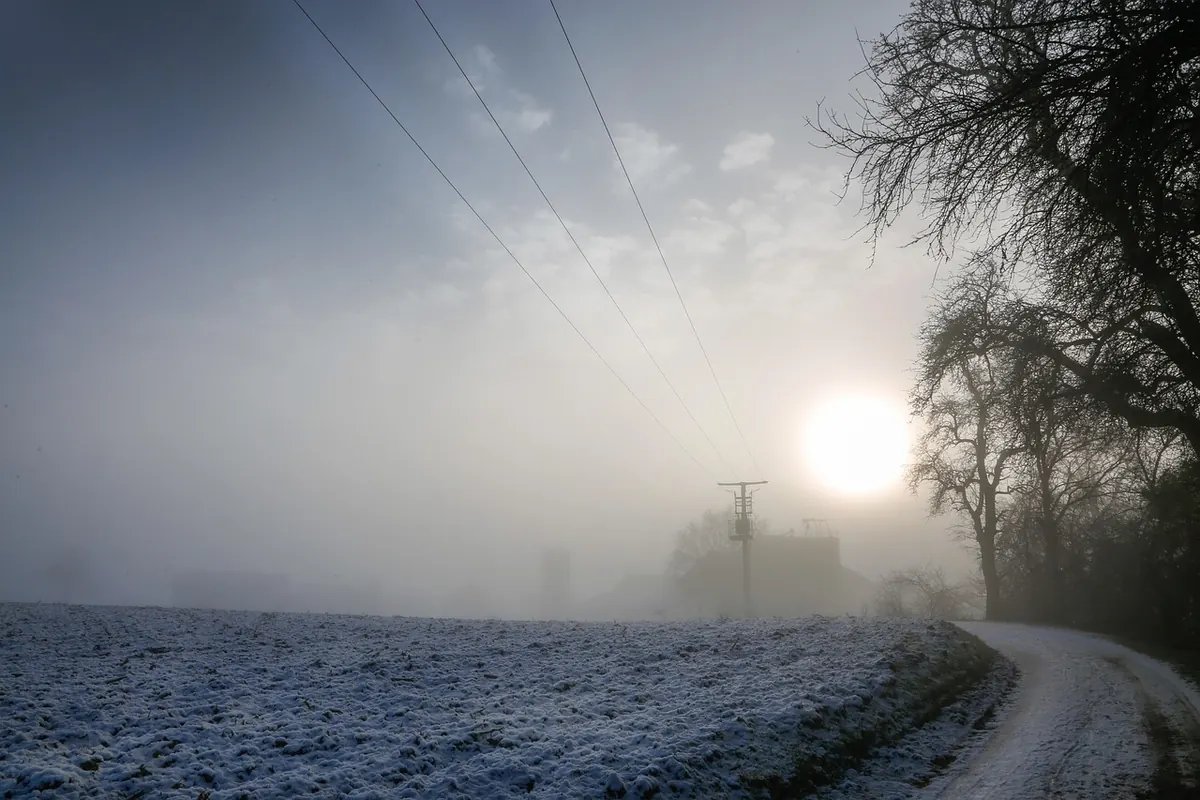
Some mornings you wake up and the day already feels slightly out of reach. Nothing dramatic has happened. The list is there, the kettle works, and yet you cannot find the thread that connects you to any of it. You scroll, you reorganise the desk, you make a second cup of tea. By eleven o'clock the morning has gone and you are no further forward.
That kind of stuckness rarely shifts by trying harder. It shifts by getting specific. Reflection is not a mood you wait for; it is a small, deliberate act — ten minutes with a pen, one honest question, and no pressure to like the answer.
The seven prompts below are for mornings like that. They will not solve everything before breakfast. They will move you from fog to one clear next thing, which is usually enough to start with.
Before you start
Keep the whole thing short. Ten minutes is plenty; fifteen is generous.
- Write by hand if you can. Slower handwriting gives your thinking time to catch up with your pen.
- Answer one prompt, not all seven. Choose the one that makes you slightly uncomfortable — it is usually the live one.
- Set a timer and stop when it goes. Reflection that runs on past its time turns into rumination.
- Do not edit. Nobody is reading this. Half-sentences, complaints and blunt honesty are all allowed.
- Leave your phone in another room, or at least face down and out of reach.
If nothing comes, write the prompt at the top of the page and answer it badly. A rough first sentence is worth more than a blank page.
Clearing the fog
1. What is actually true this morning?
Draw a line down the middle of the page. On the left, write what happened. On the right, write what you are telling yourself about it. The left column might say I missed the deadline. The right column says I am useless and everyone has noticed. One is a fact; the other is a story. You do not have to argue with the story or prove it wrong. Just label it. Seeing the two columns side by side loosens their grip enough for you to think again.
You can also add a third, quieter column: What else could be true? Maybe the deadline mattered less to everyone else than it did to you. Maybe you were tired, not incompetent. This is not forced positivity. It is just making room for more than one interpretation.
2. What am I waiting for permission to do?
Most stalled mornings involve something you have already decided but have not authorised. You are waiting for a manager, a partner, a parent, or an imagined friend who seems to have life sorted. Name the thing. Then name whose permission you are waiting for. Then ask: what would I do if I decided this myself, today? You may still check with someone first. Choosing is different from waiting, and it feels different too.
For example, you might be waiting for permission to say no to a project, to rest without justifying it, or to apply for something you are not fully qualified for. Write the permission slip yourself. It does not have to be permanent. It just has to get you through the morning.
Finding the next step
3. What have I been avoiding, and what is it costing me?
The email, the appointment, the awkward conversation, the bank statement. Write it down plainly. Then write the cost: the low hum of guilt at three in the afternoon, the way you are short with people you like, the half-hour of sleep you lose to it. Avoidance is not neutral — it charges rent. You do not have to deal with the thing now. You only have to see it clearly, and most avoided tasks shrink once they are written on paper.
4. What is the smallest next step?
Not the plan. The step. Stuckness often comes from a task we have made too large: sort out my career, or get fit. Shrink it until it is almost embarrassingly easy. Open the document and write one line. Put your shoes by the door. Find the phone number. If it takes under ten minutes, it is the right size. Do it before you sit down to reflect again.
If you cannot find a step that small, shrink it again. Open the document can become open the laptop. Find the phone number can become find the website. The point is not to finish. The point is to break the freeze.
Taking stock
5. What is draining me, and what is feeding me?
Two lists, five items each, no editing. Under draining: a group chat that leaves you flat, a commitment you agreed to months ago, the news before bed. Under feeding: a walk before the day starts, a friend who asks real questions, an hour spent on something you are bad at but enjoy. Look for one item you could reduce this week and one you could protect. Small adjustments here do more for a stuck morning than a new plan.
6. What would a friend notice about my week?
Not what they would say to be kind. What they would actually notice. That you have worked six evenings in a row. That your jaw tightens when one particular name comes up. That you have not been outside properly since Sunday. Distance helps: we see our own lives more clearly through someone else's eyes. Write it in their voice, plainly, as if they were telling you over coffee. You seem tired. You keep saying maybe. You lit up when you talked about the garden.
Then ask: if they are right, what is the one thing I would change today? You do not need to accept their verdict. You just need the outside view. Sometimes a friend would notice that you are doing better than you think, and that is worth writing down too.
7. What would make today feel enough?
Not perfect. Not productive. Enough. Maybe it is one task finished, one person contacted, one moment of quiet. Write three small things. At the end of the day, you can check them off without turning the day into a performance. For example: Send the invoice. Call Mum. Walk around the block without headphones. The bar is deliberately low. A day that meets it is not a wasted day.
If you finish those three things and still feel behind, notice that. It may mean the list was not the real problem. It may mean you need rest, or help, or a different kind of morning altogether.
After you write
Close the notebook. Choose one action from prompt 4 or prompt 7. Do it before you open your email. The point of reflection is not the writing; it is the movement that follows. If you only have energy for one thing, make it the smallest next step.
- Put the page somewhere you will see it at lunchtime.
- Tell someone the one thing you chose, if that helps you keep it.
- If you did nothing, write one line tomorrow about why. No judgement.
When ten minutes is still too much
Some mornings even ten minutes is beyond you. Then use a single question: What is the next kind thing I can do for myself? It might be a glass of water, a shower, a shorter to-do list, or cancelling something you never wanted to do. Reflection can be tiny. A sentence is enough.
You do not have to feel ready. You only have to begin somewhere small.
If you are stuck in a deeper way — low mood for weeks, dread that does not lift, or a sense that nothing matters — prompts are not a substitute for support. Talk to a doctor, a therapist, or someone you trust. That is not failure; it is maintenance.
A last word
Stuckness is not a character flaw. It is a signal that something needs to be seen, named, or shrunk. Pick one prompt. Write badly. Then take one small step. The morning does not have to be fixed. It only has to be started.
Photo: schauhi / Pixabay