



Common Mistakes in Morning Journaling (and How to Avoid Them)
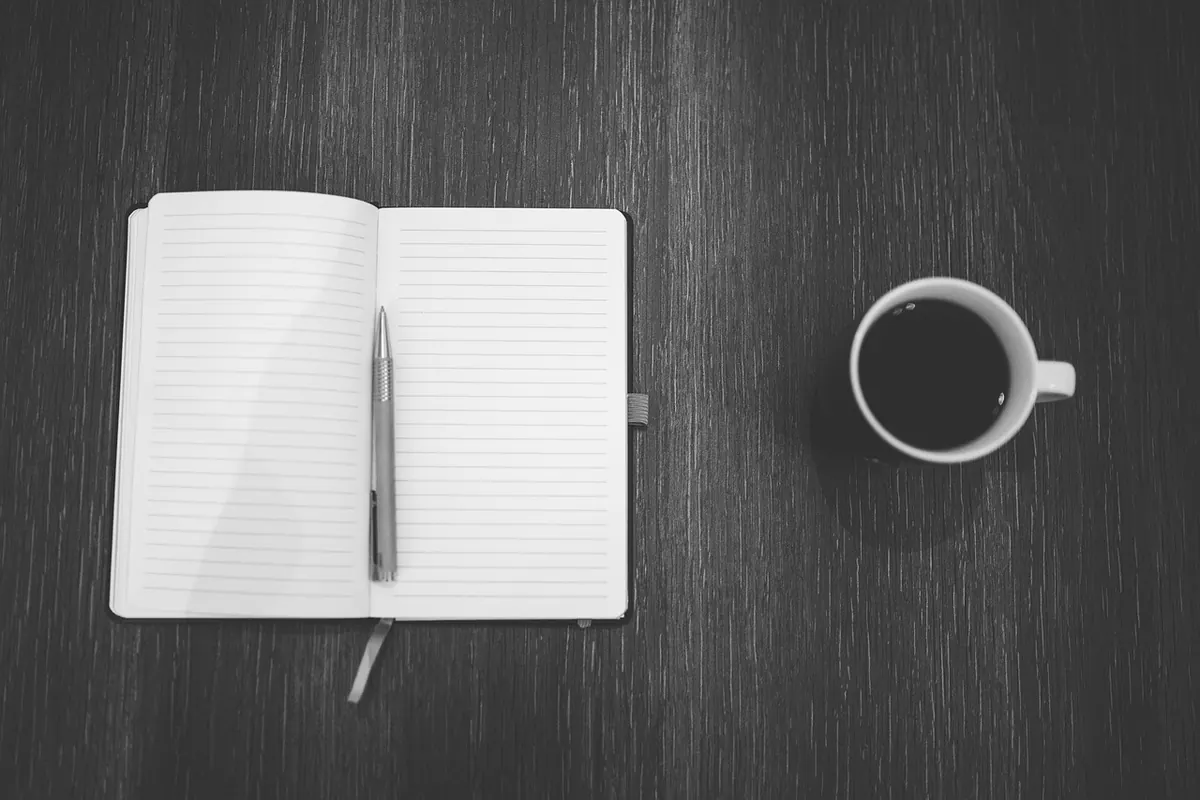
The first week of morning journaling feels like a good idea. By the third week, the notebook is under a pile of unopened post and you have decided you are simply "not a journal person". Nothing has gone wrong with you. Something has usually gone wrong with the habit, and it is nearly always one of a handful of familiar mistakes.
Here are the ones that come up most often, with a fix for each. None of them require you to wake at five, buy a particular notebook, or become the sort of person who writes in flowing sentences before sunrise.
Mistake 1: Writing for an audience that isn't there
The moment you start writing as though someone might read it, the page stops being useful. You tidy your sentences. You leave out the petty irritation about the meeting, the worry about money, the fact that you are bored. What remains is a paragraph of respectable nothing — and respectable nothing is very easy to stop doing.
The fix is to lower the standard deliberately. Write badly: fragments, blunt words, half-sentences that trail off. Nobody is marking it, and no one is going to find it.
Try swapping "I intend to approach today with a positive mindset" for "I'm tired and I'm dreading the two o'clock call. I want the figures checked before it starts." The second version contains information. The first contains none.
If you only ever write what you would happily repeat out loud, the page has very little to tell you.
Mistake 2: Setting the bar at "proper journaling"
You have probably seen the photographs: a fountain pen, a linen-bound book, three dense pages of elegant handwriting. It looks lovely and it is not the standard. Three lines count. Two lines count on a bad morning.
If you need a shape to follow, use this one:
- What is on my mind right now? One honest sentence, not a tidy one.
- What do I want from today? Not a full plan — one thing that would make the day feel worthwhile.
- What did I notice? A conversation, the weather, a mood, something you are looking forward to.
If more wants to come out, let it. If three lines is all there is, close the book and get on with the morning. The habit survives on the days you have nothing to say. Those are the days that decide whether it lasts.
Mistake 3: Insisting it happens at dawn
Morning journaling is less about the clock and more about position in the day: before the noise starts. If you are on shifts, or up with a small child, or out of the door at half six, the ideal window may not exist.
Two things help. First, anchor the writing to something you already do without thinking — the kettle boiling, the first cup of tea, sitting back down after the school run. Second, agree a fallback. If the morning has gone, the entry still counts at lunchtime or before bed, written as a note to tomorrow.
A fallback beats a rule
Rigid rules create a cliff edge: miss the window once and the whole day is written off. A fallback removes the cliff. Two lines at ten in the evening keep the thread, and the thread is the point.
Mistake 4: Turning the page into a to-do list
Filling the first page of the day with tasks feels productive, but a task list is not a reflection. It is admin, and admin is exactly what you are trying to step back from for five minutes.
Keep them apart. Tasks go in the planner, the phone, or the back page. The journal is where you think about the day rather than itemise it. If you do write a list, add one sentence underneath: Which of these actually matters today, and which am I carrying out of habit?
Mistake 5: Never reading back
A journal that is only ever written is half a journal. Reading back — briefly, not obsessively — is where the useful part happens. Once a month, take ten minutes with the previous few weeks and look for repeats. The same worry about money. The same person you keep mentioning. The same "I'll start properly on Monday".
Patterns like that are information, not evidence against you. They tell you where something needs to change, whether that is a conversation, a boundary, or a decision you have been avoiding.
Read with curiosity rather than judgement. A page written by a tired person on a grey Tuesday is not a verdict on your character.
Mistake 6: Giving up after two missed mornings
Missed days are not the problem. The all-or-nothing reaction to them is. One gap becomes a week, the week becomes a month, and the notebook goes in a drawer.
The rule that works is simple: never miss twice. If yesterday went, today's entry can be one line — the date, and a sentence about why the morning got away from you. "Slept badly, no time, back tomorrow" is a complete entry. It keeps the habit alive far better than promising to do better next week.
Mistake 7: Making the equipment the point
Fiddly tools quietly kill good habits. If the notebook is too beautiful to write badly in, the pen skips, or the book lives in a drawer you never open, the writing will not happen. Sort the practical side once and stop thinking about it:
- Keep the notebook open, or at least within reach, where you sit in the morning.
- Use a cheap pen you like the feel of. Replace it when it stops working rather than persevering.
- If you write on your phone, turn notifications off first, or keep the notes app on a screen with nothing else on it.
- Leave the last entry visible so tomorrow's writing has something to answer.
A simple reset for tomorrow morning
If the habit has slipped, do not restart with a plan for twenty minutes a day. Restart with something almost too small to fail. Tonight, put the notebook where you will sit tomorrow with your first hot drink. Tomorrow, write the date and three lines.
Do that for a week before adding anything. Some entries will be dull. Some will be repetitive. A few will surprise you, and those are the ones you will go back to. The aim is not a beautiful record of a well-ordered life; it is a place to think on purpose for five minutes before the day starts making its demands.
If you miss a morning, the page is still there in the afternoon. Pick it up and write a line.
Photo: StockSnap / Pixabay